A Complete Guide for Cosmetic, Food, and Supplement Packaging
Introduction
When it comes to packaging, the material you choose defines your brand’s identity as much as the product itself. For companies in the cosmetics, food, beverage, supplement, and pharmaceutical industries, the choice between PET and glass bottles is not just a design decision — it affects sustainability, cost, logistics, and consumer perception.
At Anitarpak, we manufacture both PET and glass bottles, and we know firsthand that each material brings unique advantages and limitations. This article will guide you through the key differences, performance characteristics, market positioning, and design considerations to help you make the right choice for your brand — whether you’re launching a luxury skincare line, a health supplement series, or a food-grade packaging collection.
1. Understanding the Basics: PET vs. Glass
1.1 What is PET?
PET (Polyethylene Terephthalate) is a lightweight, durable plastic widely used in cosmetic, food, and supplement packaging. It’s known for:
High clarity and gloss, mimicking glass appearance
Excellent barrier properties against moisture and gas
Lightweight, shatter-resistant performance
Recyclability under the “1 PET” recycling stream
Modern PET technology — including rPET (recycled PET) and bio-based PET — makes it an increasingly sustainable option, bridging performance and environmental responsibility.
1.2 What is Glass?
Glass bottles are made from natural materials — primarily silica (sand), soda ash, and limestone. They are:
100% recyclable and infinitely reusable
Chemically inert and non-reactive (ideal for sensitive formulas)
Perceived as premium and luxurious
Available in various finishes (clear, frosted, amber, colored)
Glass remains a timeless packaging choice for high-end skincare, perfumes, essential oils, and gourmet foods.
2. Comparing PET and Glass: Key Performance Factors
| Factor | PET Bottles | Glass Bottles |
| Weight | Lightweight (up to 90% lighter) | Heavy, adds shipping cost |
| Durability | Impact-resistant, non-shattering | Fragile, prone to breakage |
| Clarity | Excellent transparency, can mimic glass | Crystal clarity, luxurious feel |
| Chemical Resistance | Moderate; suitable for most cosmetics and foods | Excellent; perfect for sensitive or acidic formulas |
| Sustainability | Recyclable, can use rPET; low carbon footprint | 100% recyclable, reusable but high energy to produce |
| Temperature Resistance | Limited (max 70°C) | Excellent (up to 500°C) |
| Customization | Flexible shapes, lightweight molds | Precise, high-quality shapes with premium finishes |
| Cost | Lower tooling and shipping cost | Higher production and shipping cost |
| Market Perception | Modern, practical, eco-conscious | Premium, elegant, heritage-oriented |
3. Aesthetic & Branding Considerations
3.1 Brand Positioning
Your packaging material instantly communicates brand positioning:
PET bottles are often associated with modernity, affordability, and convenience. They suit fast-moving consumer goods, travel-size skincare, and wellness supplements.
Glass bottles convey luxury, authenticity, and premium quality. Ideal for high-end cosmetics, perfumes, and organic food brands that want a timeless feel.
Tip: If your brand emphasizes sustainability and upscale perception, glass supports that narrative.
If agility, mobility, and mass market access are your goals, PET may be a better fit.
3.2 Consumer Experience
PET: Portable and travel-friendly; consumers appreciate its lightness and safety.
Glass: Heavier but creates a “premium hand feel” — consumers associate it with value and craftsmanship.
3.3 Shelf Appeal
PET can replicate the sparkle of glass with added color or transparency options.
Glass remains unmatched for luxury shelf presence and light refraction effects.
4. Industry-Specific Recommendations
4.1 Cosmetic & Skincare Packaging
PET: Ideal for cleansers, toners, and lotions where lightweight and shatter resistance are needed.
Glass: Preferred for serums, essential oils, perfumes, and luxury skincare collections.
Many brands combine both — using PET for mass-market lines and glass for premium series.
4.2 Food & Beverage Packaging
PET: Common for juices, condiments, and functional drinks. FDA-approved for food contact.
Glass: Suited for sauces, honey, baby food, and gourmet items that benefit from a premium image.
4.3 Nutrition & Supplement Packaging
PET: Dominant choice for capsules, powders, and gummies — lightweight, secure, cost-efficient.
Glass: Used for high-end nutraceuticals or probiotics that require UV protection or chemical stability.
4.4 Medical & Pharmaceutical Packaging
PET: Used in disposable or single-use formats.
Glass: Trusted for sensitive formulations, injectables, or medications that need long-term stability.
5. Sustainability Perspective: Life Cycle & Environmental Impact
5.1 PET Sustainability
Modern PET packaging has evolved significantly:
rPET (Recycled PET): Manufactured using post-consumer materials, reducing carbon emissions.
Bio-PET: Derived from plant-based feedstock (like sugarcane).
Lower Transport Footprint: Lightweight PET reduces fuel use in logistics.
PET is widely accepted in global recycling systems and can be reprocessed into fibers, textiles, or new containers.
5.2 Glass Sustainability
Glass is infinitely recyclable without loss of purity or strength. Many brands adopt refillable or reusable systems with glass containers, especially in cosmetics and fragrance sectors.
However:
High melting temperature = higher energy cost
Heavier transportation weight = higher emissions
Therefore, glass works best in premium or refill-based systems, where longevity offsets production energy.
6. Manufacturing & Customization Differences
6.1 PET Bottle Customization
At Anitarpak, PET bottles can be fully customized by:
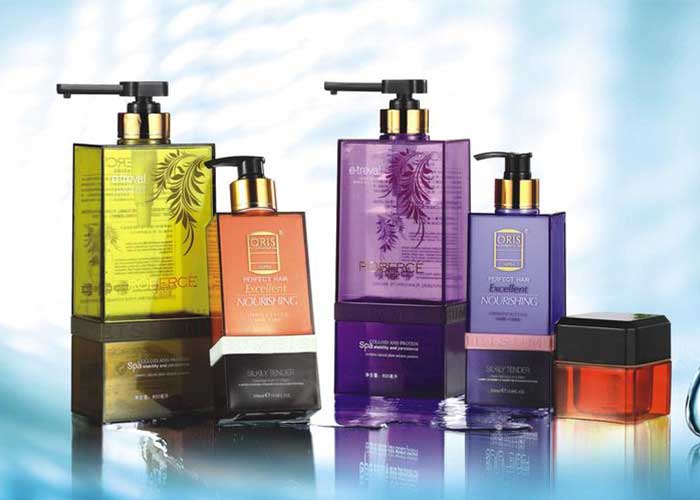
Shape: round, square, oval, ergonomic
Capacity: 10ml – 2000ml
Coloring: transparent, tinted, gradient, metallic
Surface Finish: glossy, frosted, soft-touch
Printing Options: silk-screen, hot stamping, heat transfer, shrink sleeve
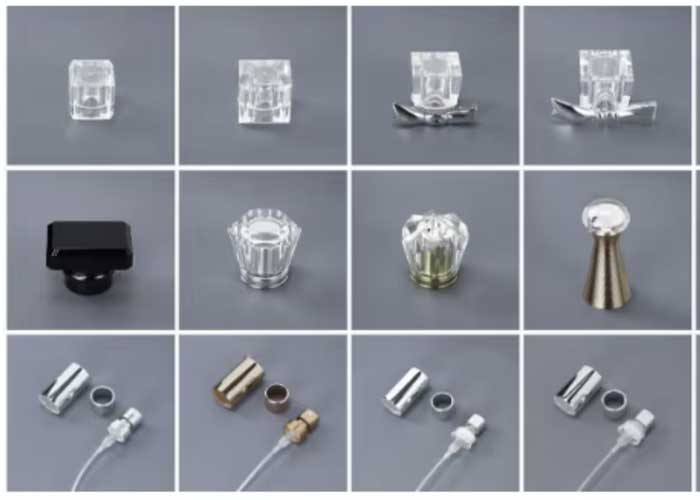
Caps & Closures: flip-tops, pumps, mist sprayers, screw caps
PET molds are cost-effective, making small to medium batches affordable for startups and OEMs.
6.2 Glass Bottle Customization
For glass packaging, Anitarpak offers:
Molding Precision: fine neck threads, sharp embossing, uniform wall thickness
Surface Decoration: UV printing, gradient coating, frosting, electroplating, decal application
Color Options: crystal clear, amber, cobalt blue, frosted white, matte black
Closure Matching: aluminum caps, droppers, pumps, corks, or bamboo tops
Glass offers premium tactile and visual impact — ideal for signature products and limited editions.
7. Safety, Compatibility, and Regulatory Compliance
7.1 Food & Cosmetic Safety
Both PET and glass meet FDA and EU packaging safety standards when properly produced.
However:
PET: May not suit high-heat sterilization (>70°C).
Glass: Sterilizable, non-leaching, and ideal for pH-sensitive formulas.
7.2 Chemical Interaction
PET: Slightly permeable to oxygen, but sufficient for short-to-medium shelf life.
Glass: Chemically inert — zero interaction with product contents.
If your product contains essential oils, alcohols, or organic acids, glass offers superior protection.
8. Cost and Logistics Considerations
8.1 Cost per Unit
PET bottles generally cost 30–70% less than glass.
Lower tooling cost and faster production cycles = quicker market entry.
8.2 Shipping and Handling
PET: Reduces freight weight by up to 80%.
Glass: Requires reinforced packaging, higher insurance, and careful palletization.
8.3 Storage & Breakage
PET offers a zero-breakage advantage, ideal for eCommerce and export markets.
9. Combining Both: Hybrid Brand Strategies
Many successful brands use a hybrid packaging strategy, selecting materials based on product tier or category.
Examples:
Mass Line (PET): Economical, portable, globally scalable.
Premium Line (Glass): Luxury, collectible, perfect for flagship or seasonal editions.
This approach allows brands to balance cost, sustainability, and consumer experience while maintaining visual cohesion.
10. Regional Market Preferences
North America & Europe
Growing preference for eco-friendly rPET and refillable glass systems.
Minimalist aesthetics, monochrome designs dominate.
Regulatory pressure to reduce virgin plastic.
Asia-Pacific
Rapid adoption of PET for affordability and safety, especially in skincare and supplements.
Premium brands introducing frosted glass for luxury differentiation.
Middle East & Latin America
Mixed markets: value-driven consumers prefer PET, while premium cosmetics and perfumes lean toward glass.
11. Case Study: Anitarpak’s Dual-Material Approach
At Anitarpak, we serve over 1,200 global customers across cosmetics, food, supplement, and pharmaceutical industries.
Our production capacity includes:
5 glass production lines with precision CNC molds
8 PET injection and blow molding lines
Monthly 40+ new mold developments
In-house decoration, printing, and testing lab
This allows us to advise customers based on their target market, regulatory requirements, and brand vision — not just material preference.
12. How to Decide — A Step-by-Step Framework
Define Your Product Needs
Is it temperature sensitive? Acidic? Viscous?
Glass may be better for reactive formulas; PET for general applications.
Clarify Your Brand Positioning
Luxury, eco-premium → Glass
Affordable, everyday use → PET
Evaluate Logistics & Distribution
Export-heavy or eCommerce? PET’s lighter weight saves shipping cost.
Local boutique or refill concept? Glass adds value and prestige.
Consider Sustainability Goals
rPET is a great middle ground.
Glass fits refillable and zero-waste programs.
Request Samples & Testing
At Anitarpak, we provide free pre-production samples to test compatibility and aesthetics.
Finalize Design & Decoration
Choose the right closure, surface finish, and labeling to match your brand story.
13. What Consumers Search For
When customers look for packaging suppliers, they often search:
“PET vs glass bottle for skincare”
“best bottle material for supplements”
“eco-friendly cosmetic packaging supplier”
“recycled glass vs PET packaging”
By understanding these queries, brands can tailor website content, FAQ, and product listings to attract more relevant leads.
Anitarpak’s blog and resource hub are designed to help clients make data-driven, SEO-optimized packaging decisions.
14. Final Thoughts
Choosing between PET and glass is not just a technical decision — it’s a strategic one that affects brand image, customer experience, and sustainability goals.
Choose PET if you prioritize lightweight convenience, durability, and scalability.
Choose Glass if you aim for luxury, purity, and timeless appeal.
Choose Both if you want a tiered, hybrid product line that captures multiple market segments.
At Anitarpak, we offer expert consultation, in-house mold development, and sustainable materials to help your brand find the perfect balance between performance, beauty, and environmental responsibility.
Ready to explore your ideal packaging solution?
🌍 Contact Anitarpak’s packaging specialists today to request free samples or a custom quotation.